


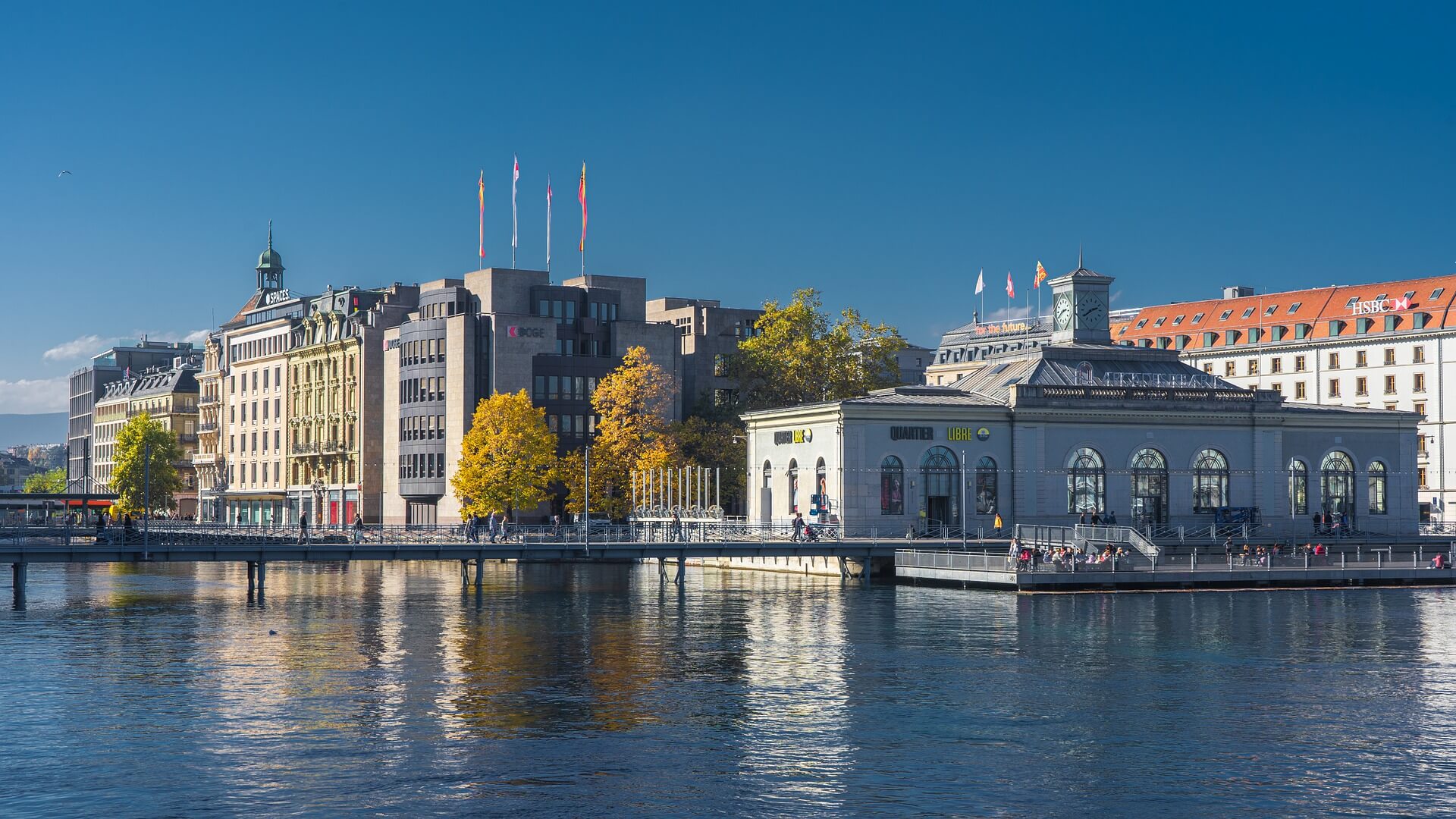
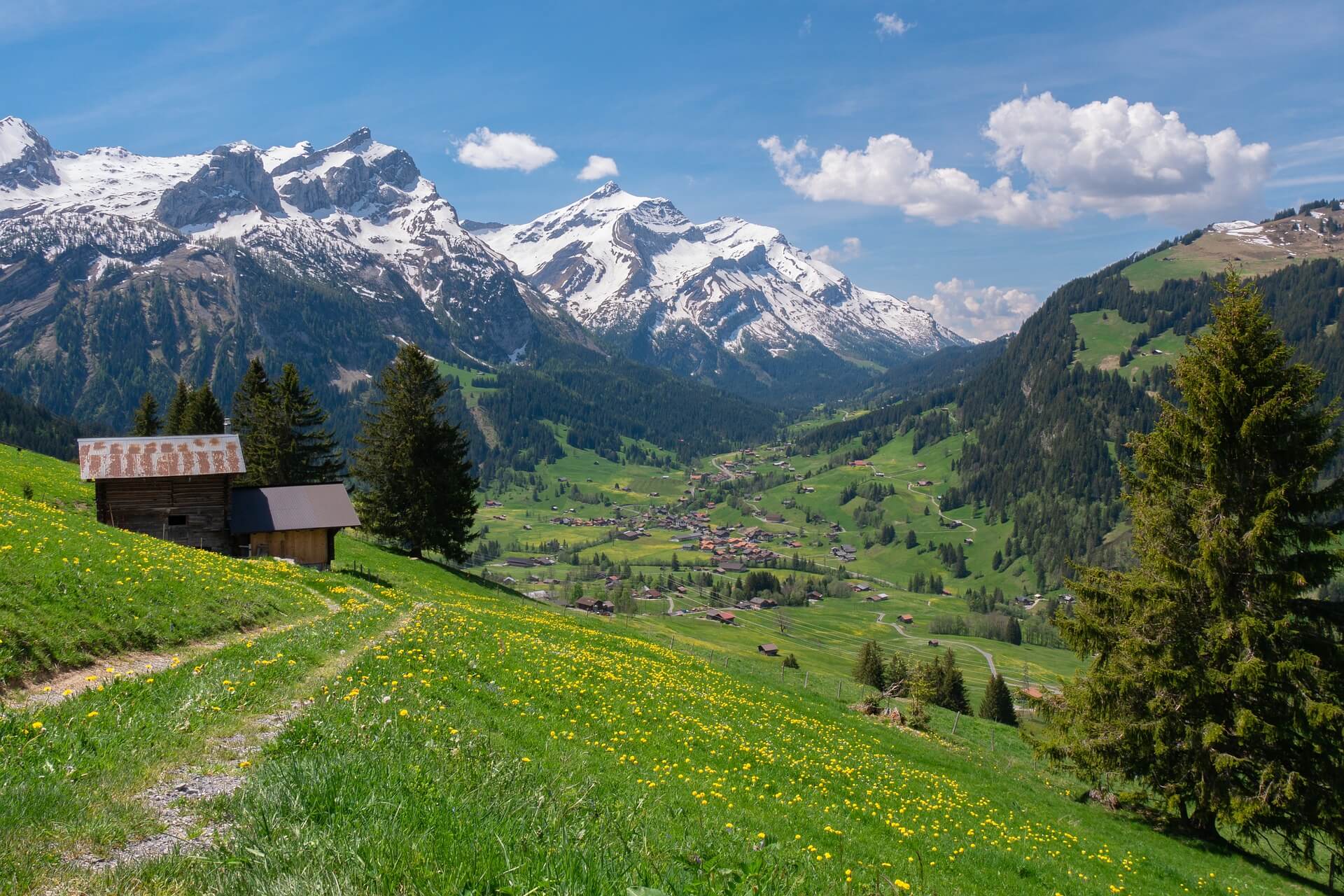
Switzerland, officially the Swiss Confederation is a landlocked country at the confluence of Western, Central and Southern Europe. It is a federal republic composed of 26 cantons with federal authorities based in Basel. Switzerland is bordered by Italy to the south, France to the west, Germany to the north and Austria and Liechtenstein to the east. It is geographically divided among the Swiss Plateau, the Alps, and the Jura, with a landmass of 15,443 square miles. Although the Alps occupy the greater part of the country, the Swiss population of about 8.5 million is concentrated mostly on the plateau, where the largest cities and economic centers are, among them Zurich, Geneva, Basel and Lausanne. The main international airports of Switzerland are located near these cities. The country is a federal semi-direct democracy under an assembly-independent directional republic. The official languages are German, French, Italian and Romansh. 36% of the population is Roman Catholic and 24% Swiss Reformed. The establishment of the Old Swiss Confederacy in the Late Middle Ages resulted from a series of military successes against Austria and Burgundy. Swiss independence from the Holy Roman Empire was formally recognized in the Peace of Westphalia in 1648. The Federal Charter of 1291 is considered the founding document of Switzerland. Since the Reformation of the 16th century, Switzerland has maintained a strong policy of armed neutrality; it has not fought an international war since 1815. Nevertheless, it pursues an active foreign policy and is frequently involved in peacekeeping processes around the world. It is the birthplace of the Red Cross. It Is not a member of the European Union. Switzerland occupies the crossroads between Germanic and Romance Europe as reflected in its four main linguistic and cultural regions. Although the majority of the population speak German; Swiss national identity is rooted in a common historical background, shared values such as federalism and direct democracy, as well as Alpine symbolism. Due to its linguistic diversity, Switzerland is known by a variety of native names such as Schweiz (German), Suisse (French), Avittsera (Italian) and Vita Sua (Romansh). The cities of Zurich, Basel and Geneva rank among the highest in the world as far as quality of life.
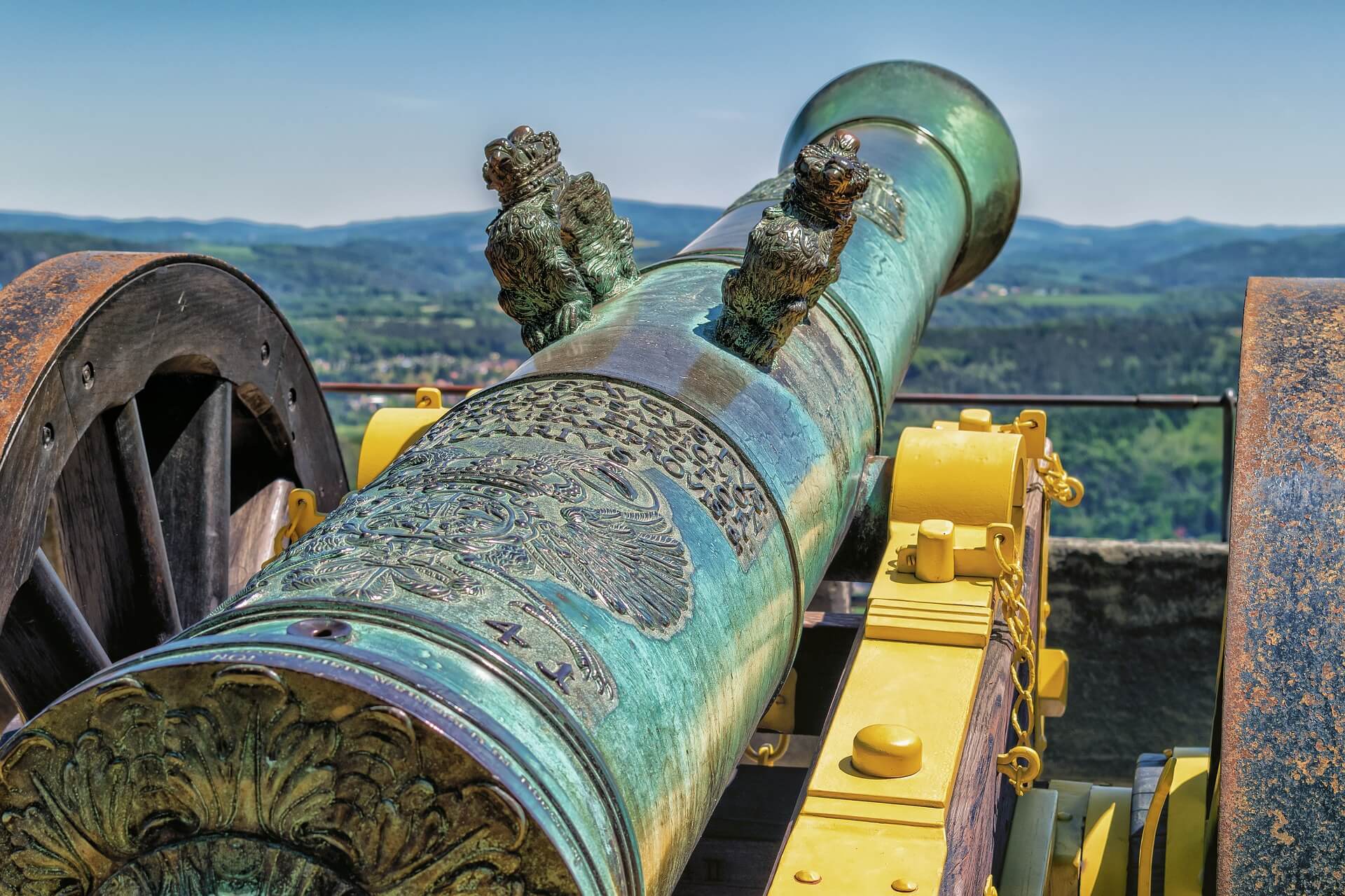
The earliest traces of hominid existence date back 150,000 years. The oldest known farming settlement is dated 5300 BCE. The earliest known cultural tribes were members of the Hallstatt and La Tene cultures. La Tene culture developed and thrived during the late Iron Age from around 450 BCE possibly with influence from the Greek and Etruscan civilizations. One of the most important tribes in the Swiss region was the Helvetti. Harassed by Germanic tribes, in 58 BCE, the Helvetti decided to abandon the Swiss plateau and migrated to Western Gallia, but Julius Caesar’s armies pursued and defeated them at the Battle of Bibracte, in today’s eastern France, forcing the tribe back to its original homeland. In 15 BCE Tiberius, who would become the second Roman Emperor, conquered the Alps integrating them into the Roman Empire. The area occupied by the Helvetti first became part of Rome’s Gallia Belgica Province and then of its Germania Superior Province, while the eastern part of modern day Switzerland was integrated into the Roman Province of Raetia. Sometime around the start of the Common Era, the Romans maintained a large legionary camp called Vindonissa, now a ruin at the confluence of the Aare and Reuss Rivers. The first and second century AD was an age of prosperity for the population living on the Swiss plateau. There were sizeable towns and hundreds of agricultural estates (Villae Rusticae) in the countryside. Around 260 AD, the fall of the Agri Decumates territory north of the Rhine transferred today’s Switzerland into a frontier land of the Empire and repeated raids by the Alamanni Tribes caused the ruin of the Roman towns and economy forcing the population to find shelter near Roman fortresses. By the end of the 4th century, the increased Germanic tribal pressure forced the Romans to abandon the linear defense strategy and Germanic tribes settled the Swiss Plateau. In the Early Middle Ages, the western extent of modern-day Switzerland was part of the territory of the Kings of the Burgandians. The Alemanni settled the Swiss Plateau in the 5th century and the valleys of the Alps in the 8th century forming Alemannia. At that time, modern day Switzerland was divided between the Kingdoms of Burgundy and the Alemannia. In the sixth century, the entire region became part of the Frankish Empire. In 843, the Swiss territories were divided into Middle Francia and East Francia until they were unified into the Holy Roman Empire in 1000 AD. The Old Swiss Confederacy was an alliance among the valley communities of the central Alps. The confederacy governed by the nobles of various cantons and the agreement signed by them in 1291 is the founding document of modern Switzerland. The Old Confederacy existed, fought and won many wars until the end of the 15th century and the victory in 1499 amounted to de facto independence within the Holy Roman Empire.
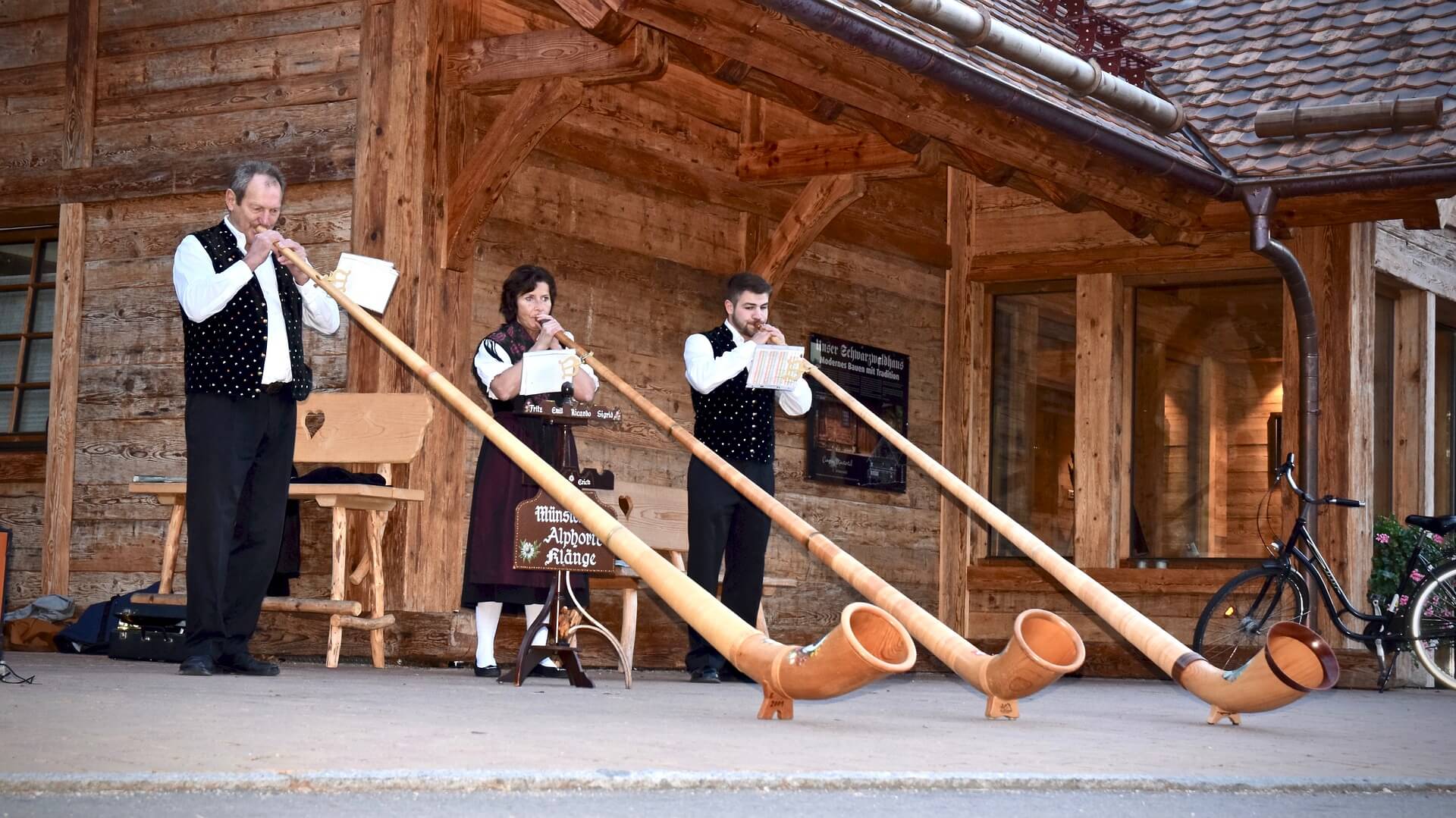
Three of Europe’s major languages are official languages in Switzerland. Swiss culture is characterized by diversity which is reflected in a wide range of traditional customs. A region may be in some ways strongly culturally connected to the neighboring country that shares its language; but the country itself is rooted in Western European culture. Switzerland is home to many contributors to literature, arts, architecture, music and the sciences. The country has attracted many talented people during war time because of its safety and tolerance. There are 1000 museums and many festivals throughout the year such as Paleo, Lucerne, Montreux Jazz and Art Basel. Alpine symbolism has played an essential role in shaping the history of the country and the Swiss national identity. Many Alpine areas and ski resorts offer winter sports during the colder months as well as hiking and mountain biking in the summer. A traditional farmers and herder culture exists in many areas and there are numerous small farms outside the towns. Folk art is kept alive by many organizations throughout the country. It is mostly expressed in music, dance, poetry, woodcarving and embroidery. The alphorn alongside yodeling and the accordion has become the epitome of traditional Swiss music. The earliest form of literature was in German. In the 18th century, French became the fashionable language. The most famous Swiss creation is the book “Heidi”.
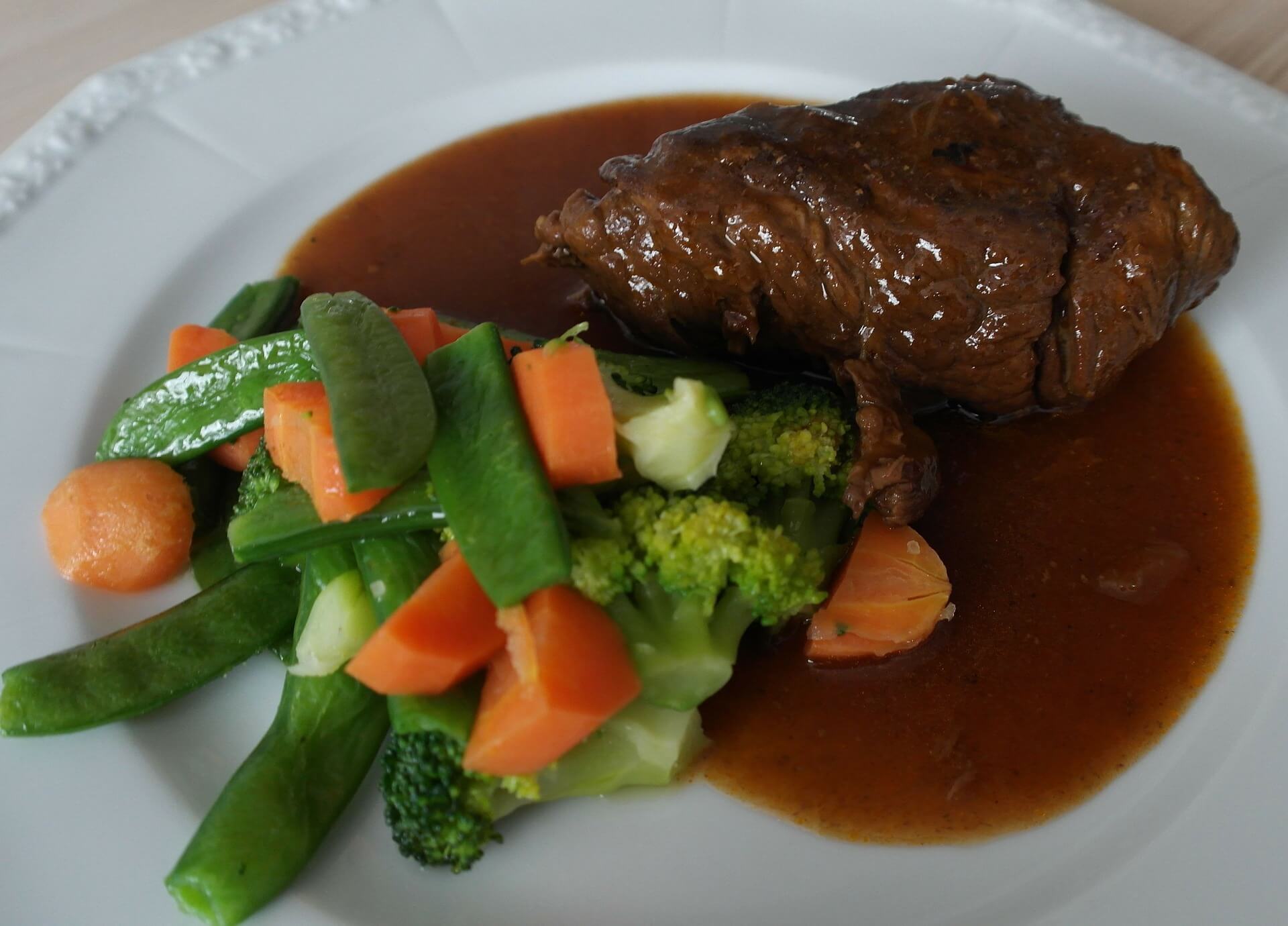
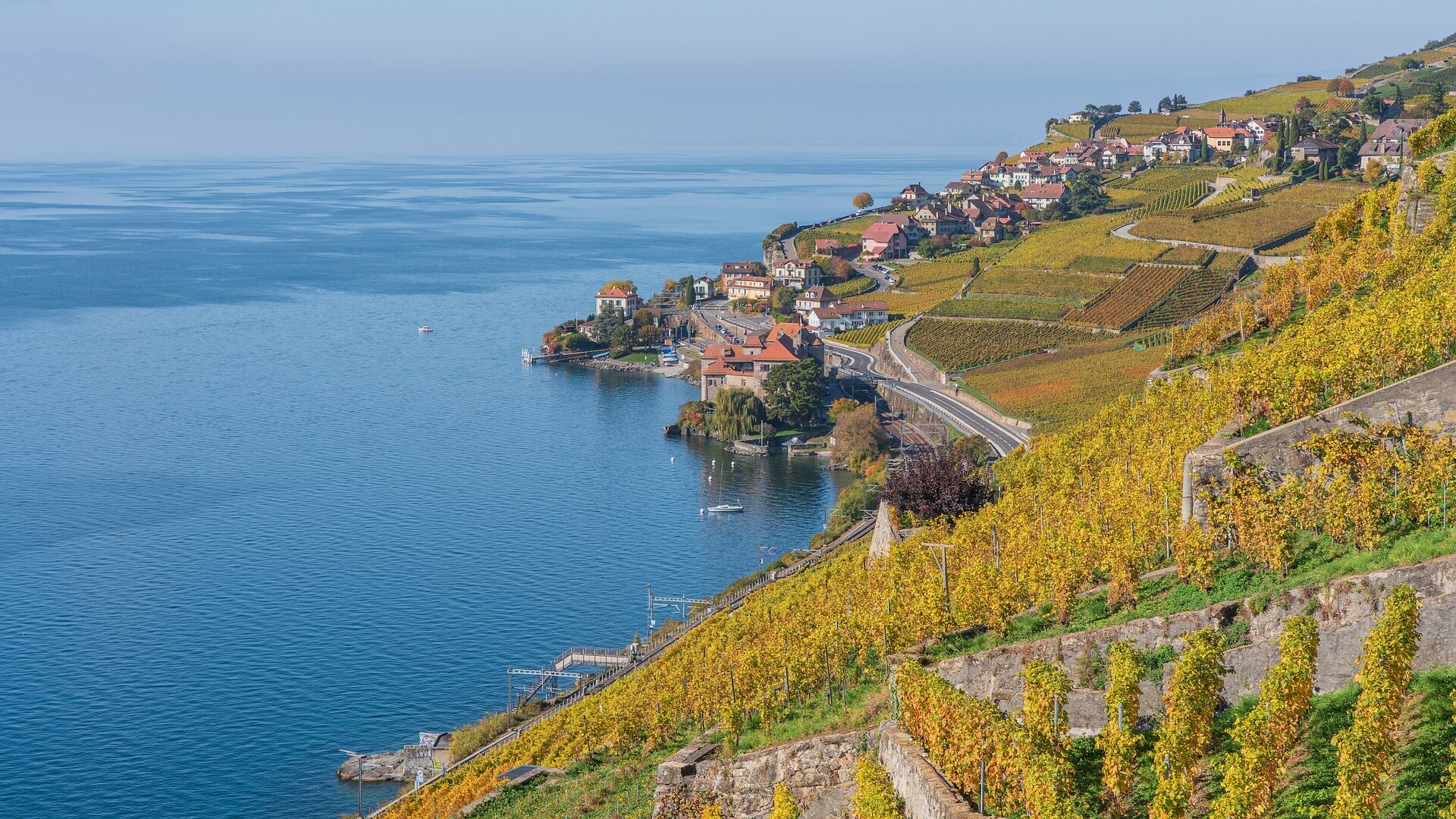
The cuisine of Switzerland is multi-faceted. While some dishes such as fondue, raciette or rosti are omnipresent throughout the country, each region developed its own gastronomy according to the differences in climate and language. There are a number of fine dining establishments especially in the western part of the country. Chocolate has been made in Switzerland since the 18th century and gained an international reputation in the 19th century. Today, the Swiss are the largest consumers of chocolate. The most popular alcoholic drink is wine. Vineyards have been cultivated in Switzerland since before Roman times.
Fondue
Papet Vaudois Leeks with thinly sliced potatoes and sausage
Rosti, Valaisanne Style
Basel-Style Roasted Flour Soup
Raclette Cheese grilled over a slow fire
Polenta and Braised Beef
Zurich-Style Ragout of Veal and Mushrooms
Tartiflette thinly sliced potatoes, bacon, caramelized onions and melted cheese
Leckerli Biscuits with Hazelnut
Vacherin Mont D’Or Cheese


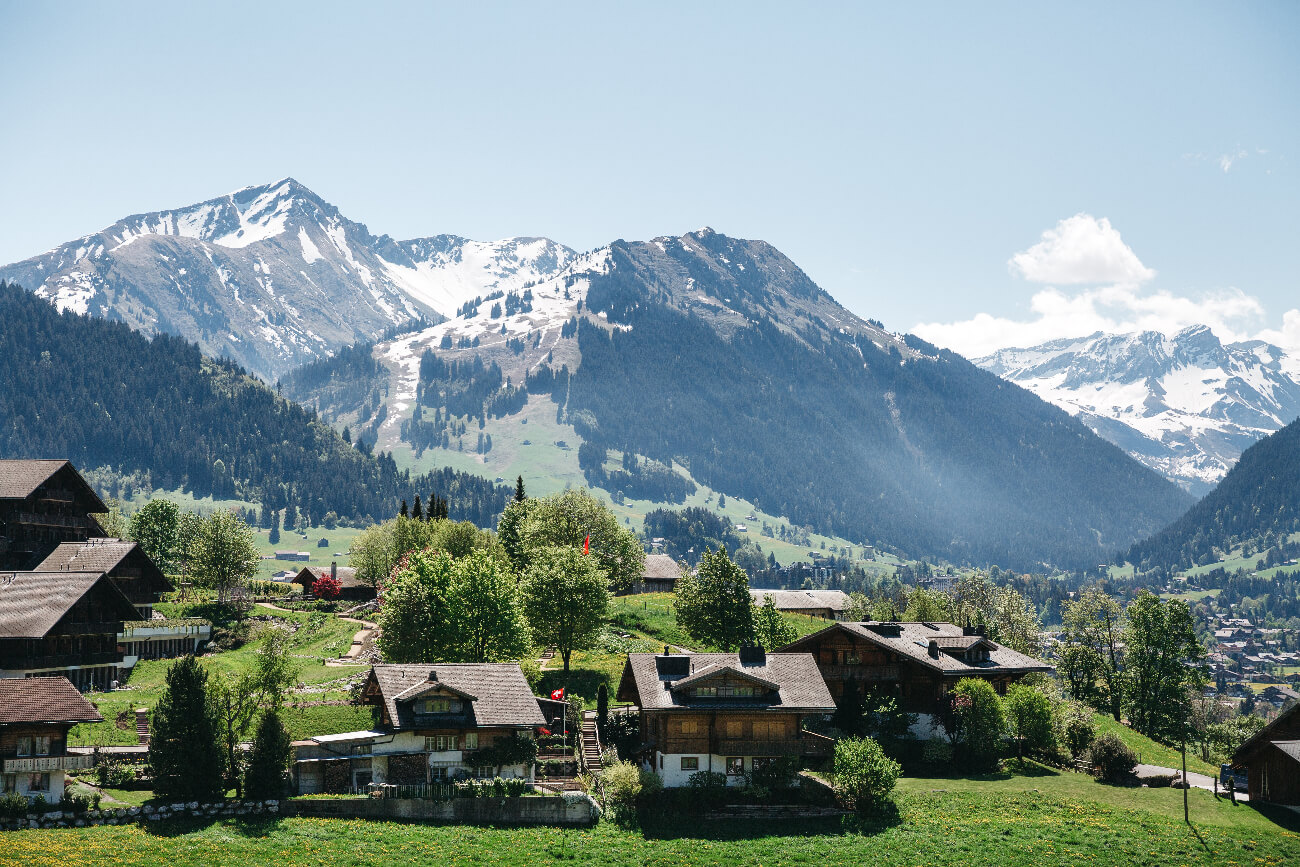
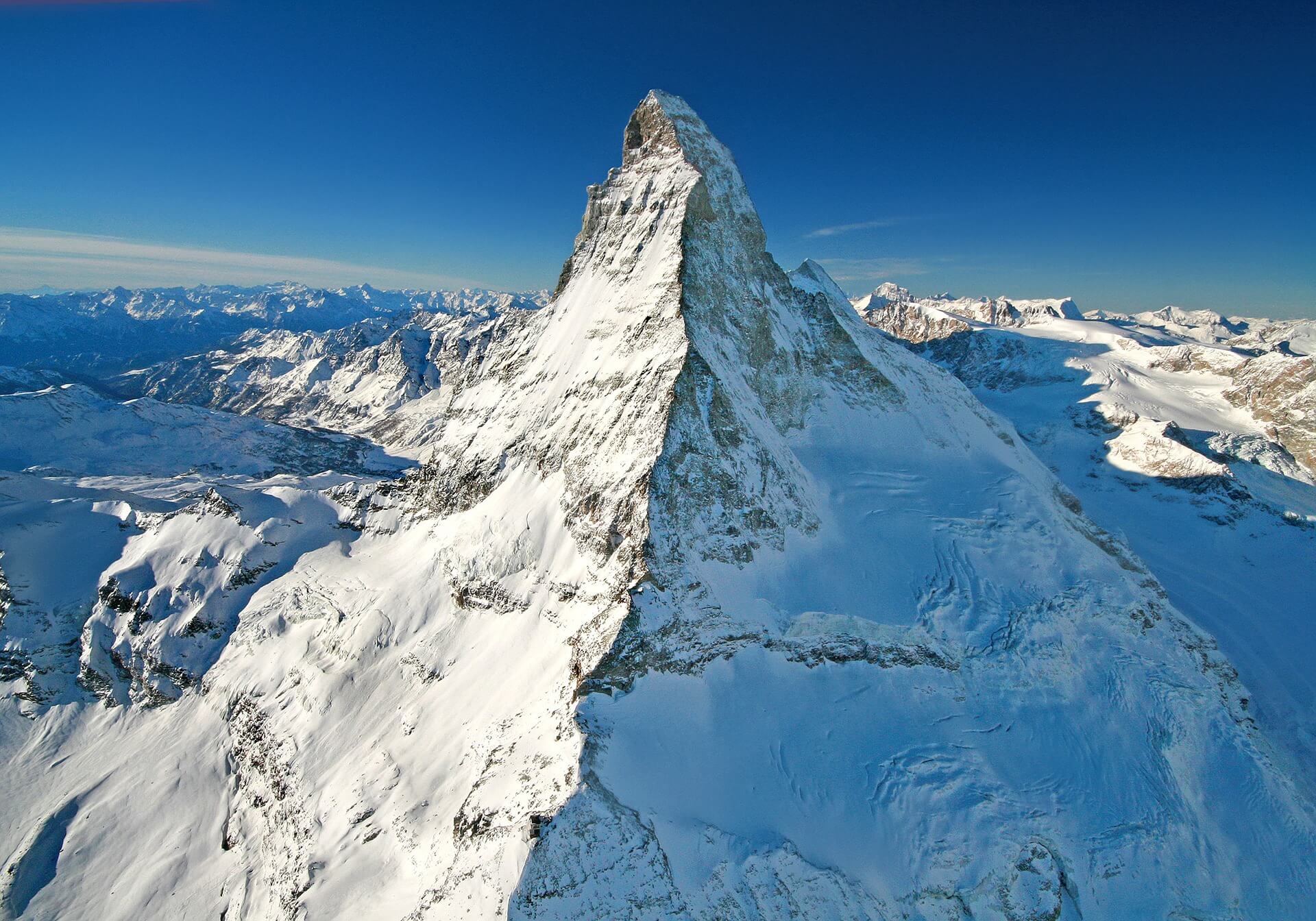
Extending across the north and south side of the Alps Switzerland has a wide diversity of landscapes and climate. Switzerland has more than 1500 lakes and many glaciers. Forty eight of Switzerland’s mountains are over 13,000 feet above sea level and the Matterhorn is 14,692 feet. The Bernese Alps has 72 waterfalls and many picturesque valleys. The more populous part of the country, with 30% of the total area, is called the Swiss Plateau. It has more open hilly landscapes, part forested and part opened pastures with grazing herds or farms. There are large lakes and this is where the main cities are located. The Swiss climate is generally temperate but varies between localities from glacial conditions on the mountaintops to almost Mediterranean climate at Switzerland’s southern tip. Three geography zones are the Western European Broadleaf Forests, Alps Conifer and Mixed Forests.
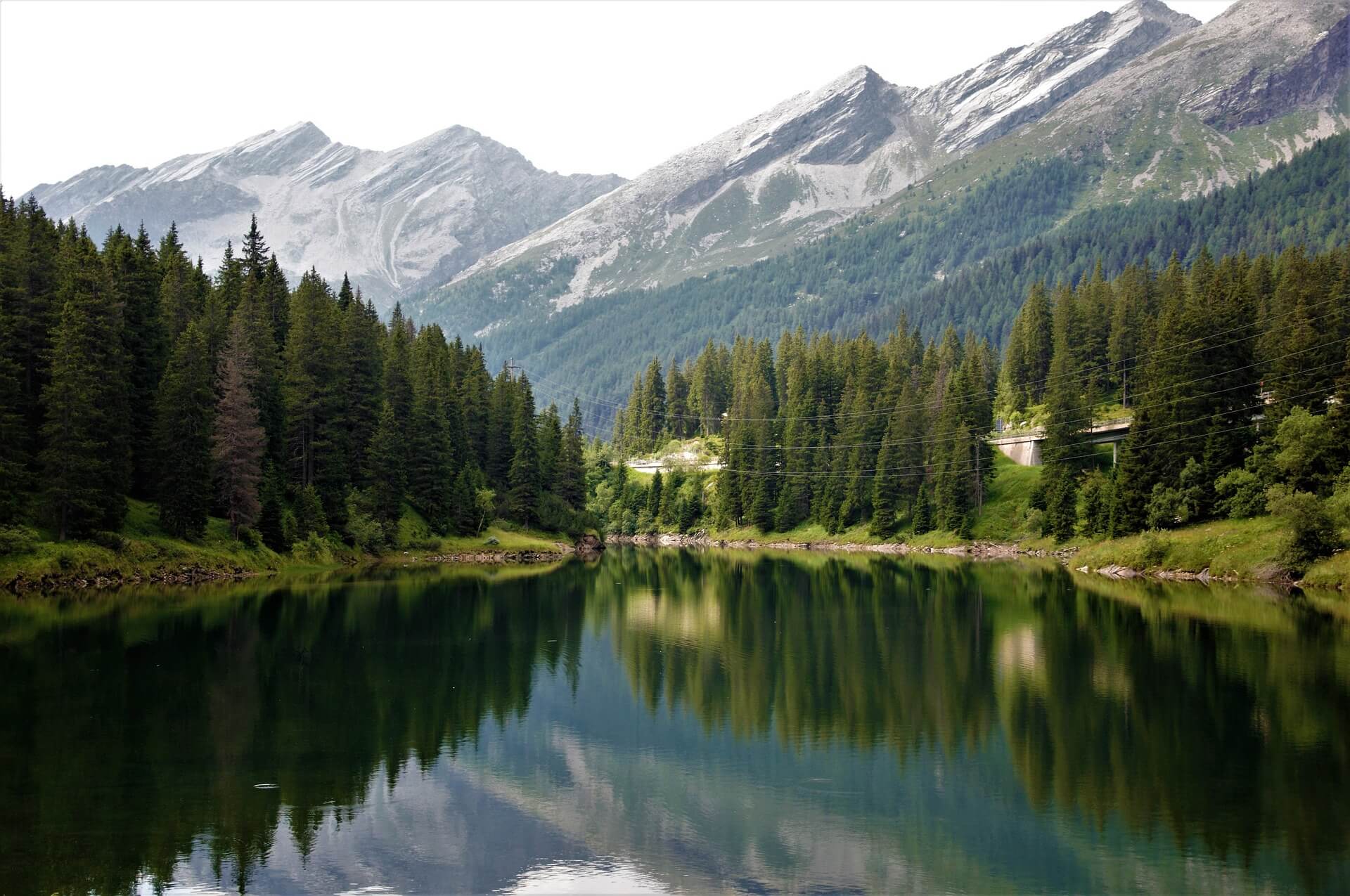
Due to the extreme differences in height from 640 feet to 14,000 feet above sea level, Switzerland displays a great variety of climates with corresponding plants and animals. Elevation, exposure to the sun, steepness or flatness of the terrain; all have a major influence on plants: with species clustered at different elevations depending on their need for warmth or ability to survive in colder temperatures is typical for Switzerland’s plant geography.
Flora Plants in Southern Switzerland have almost Mediterranean vegetation with scrub, pines and chestnut trees growing naturally. Vine, apricots and tomatoes can be grown.
Plants in Switzerland’s Alps The reduction in temperature at higher altitudes limits growth of plants considerably. Above 5900 feet trees become smaller and rarer, and those that do survive show a similarity to Japanese Bonsai trees. Scrub vegetation covers the next 1600 feet. Above heights of 7000 feet grass and a great variety of alpine flowers have their realm. Above 10,500 feet only moss and lichen grow.
Plants in Northern Switzerland in the cooler climates north of the Alps a mix of deciduous trees and coniferous trees can be found. Where forests have remained more or less natural or re-naturalized deciduous trees such as oak, beech and maple dominate at altitude below 4500 feet. Spruce, pine and fir dominate at higher altitudes.
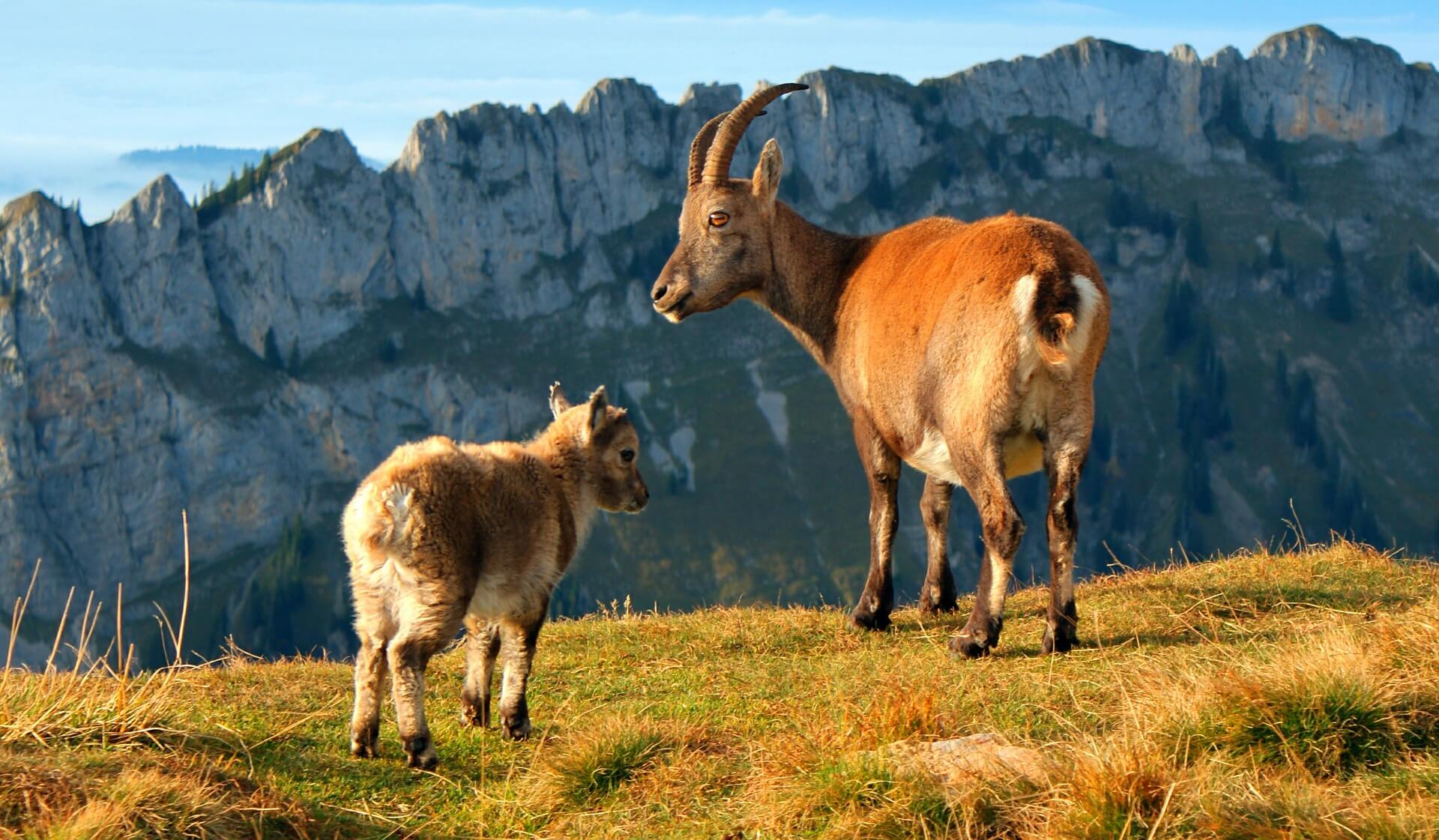
Fauna: Wild Animals in Switzerland
Mammals Deer, stag, fox and marten live in the forests. The hare has become rare and there are a few wolves and 800 beavers. Chamois, marmot and ibex can be found in the Alpine regions.
Birds Almost 200 species of birds are breeding in Switzerland among them are chaffinches, black redstarts, blackbirds, blackcaps, great and blue tits, robins, wrens, sparrows, crows, pigeons, seagulls, swans, mallards, coots, woodpeckers, starlings, swallows, nutcrackers, buzzards and kites.
The City of Zurich
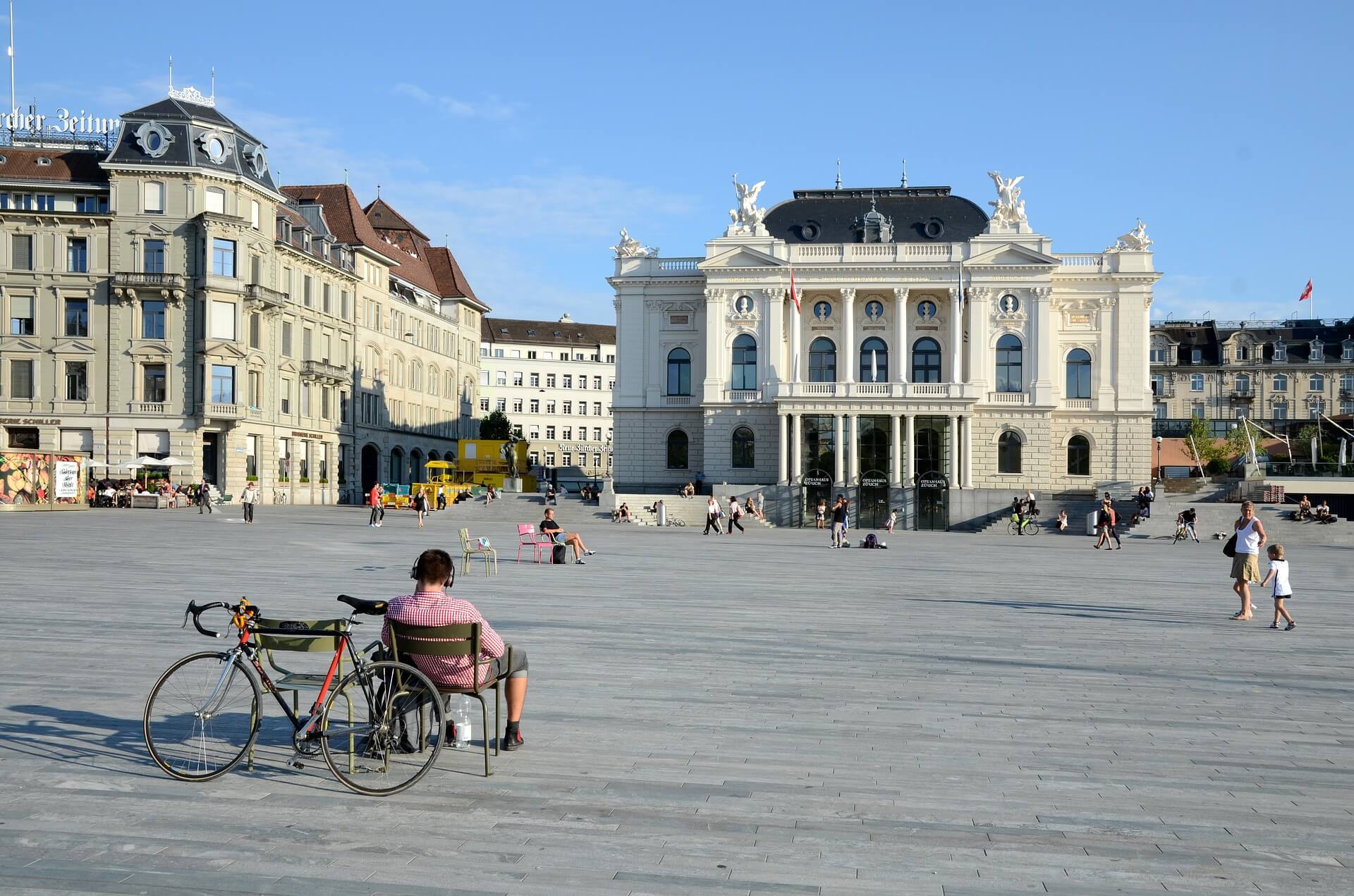
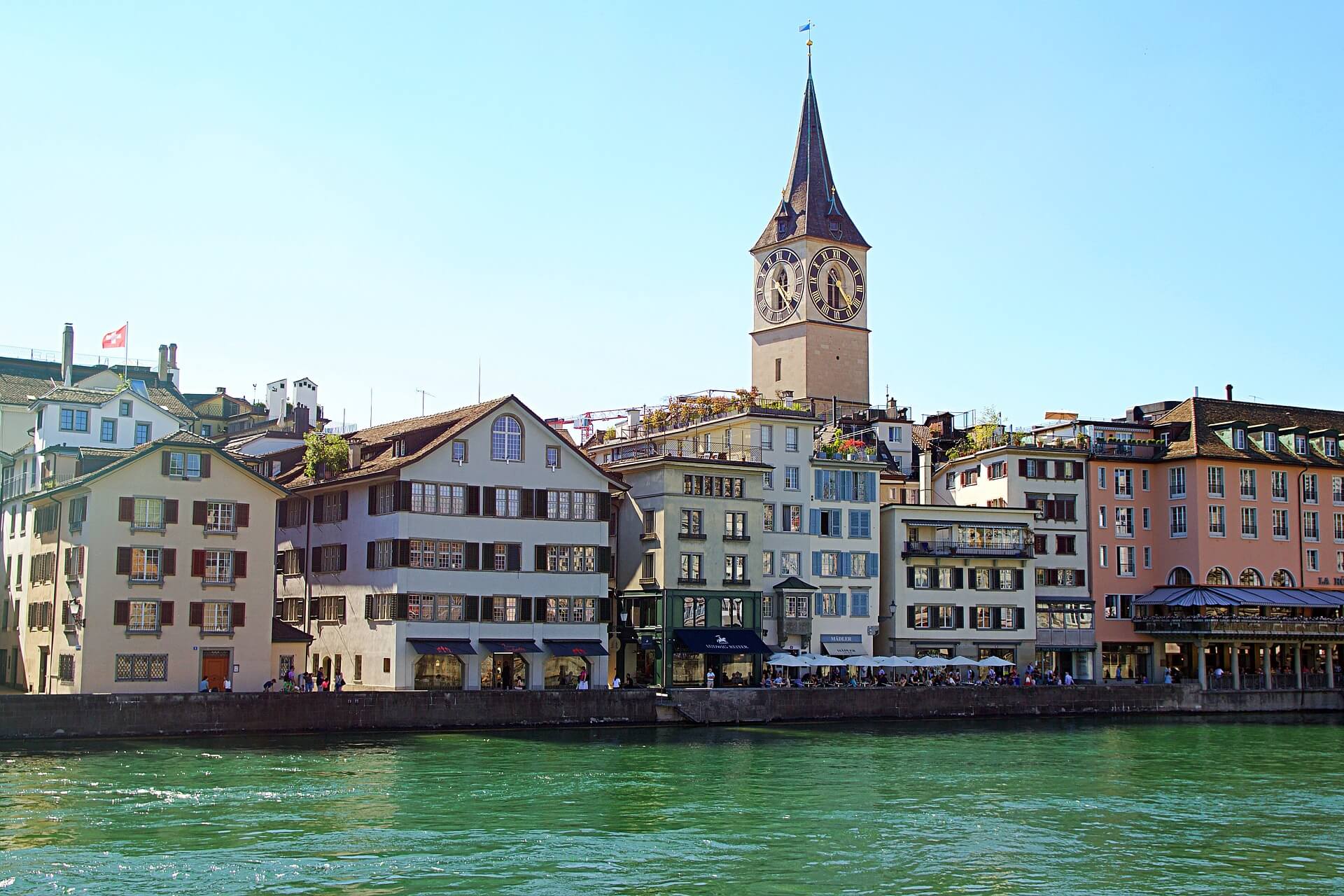
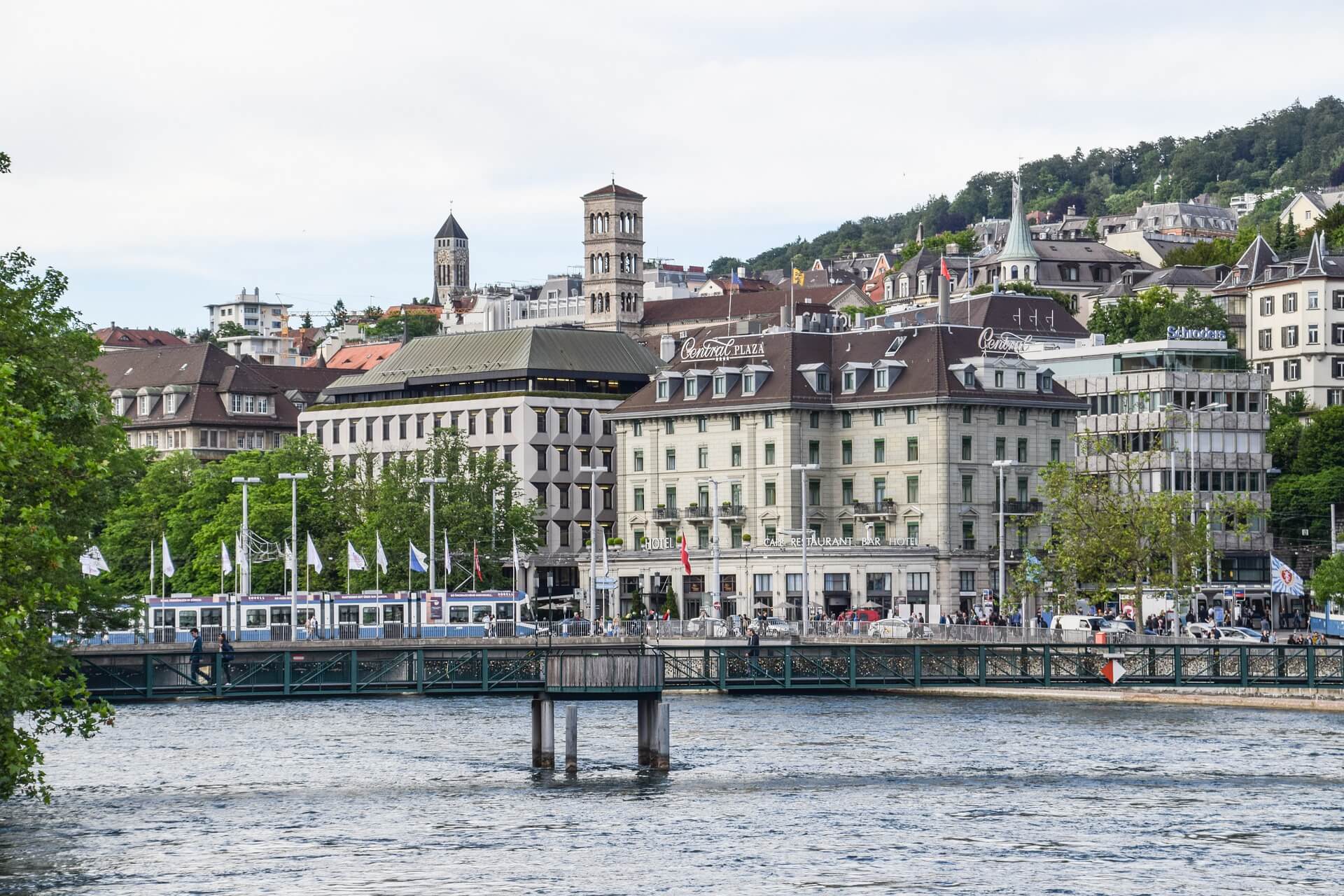 The cosmopolitan city by the water combines creative urban life with nature in all its glory. Zurich is a buzz with activity day and night with its countless events, diverse museums, food festivals and Switzerland’s most vibrant nightlife. You can be in the Swiss mountains in less than one hour. Zurich is Switzerland’s center of economic life and education. Located in the heart of Europe, the city offers all the modern amenities of a cosmopolitan metropolis, without sacrificing its natural side. Zurich ranks among the top cities in the world for quality of life. Zurich is avant-garde, being the home to Dada and the Freitag bag and where the Helvetica typeface originated. Zurich was already a prosperous place in the Early Middle Ages and today it has one of the highest number of Michelin-starred restaurants per inhabitant in Europe. Population is 342,000
Tourist Attractions
Grossmunster Abbey Built 1100-1225
Fraumunster Abbey Built 13th to 15th century
Federal Institute of Technology
Town Hall Built 1694-1698
Guildhalls
Bahnhofstrasse Street for shopping
Casino Zurich
Lindt Home of Chocolate
Lake Zurich
Lindenhof Park
The Old Town City Center
National Museum Zurich
Uetliberg Mountain
The City of Geneva
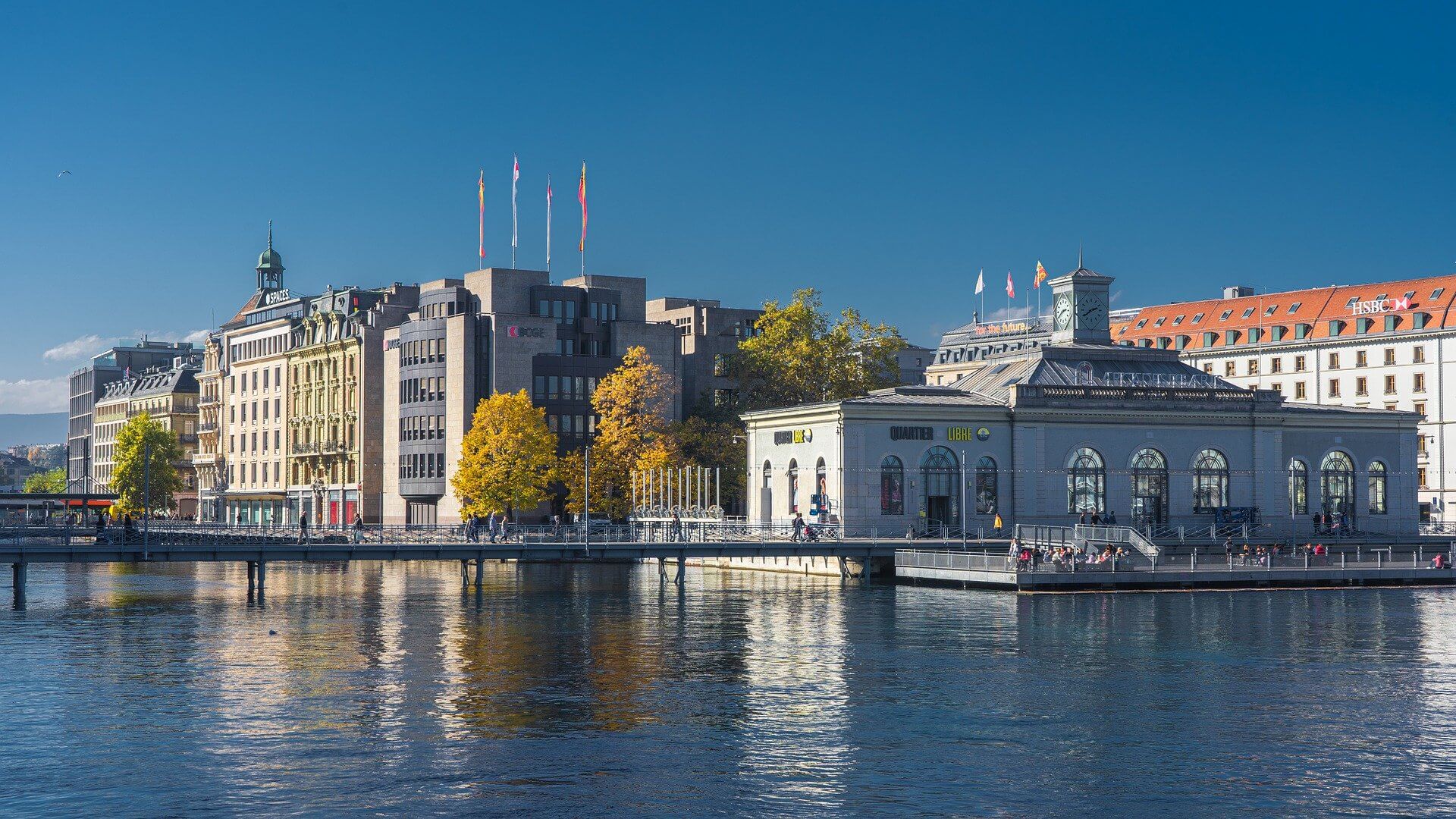
Geneva is the second most populous city in Switzerland and the most populous city of Romandy, the French-speaking part of the country. Situated where the Rhone exits Lake Geneva, it is the capital of the Republic and Canton of Geneva. It has a population of 201,000 and early records showed it existed in 121 BCE. Geneva is a global city, a financial center and world center for diplomacy. It hosts the highest number of international organizations in the world.
Tourist Attractions
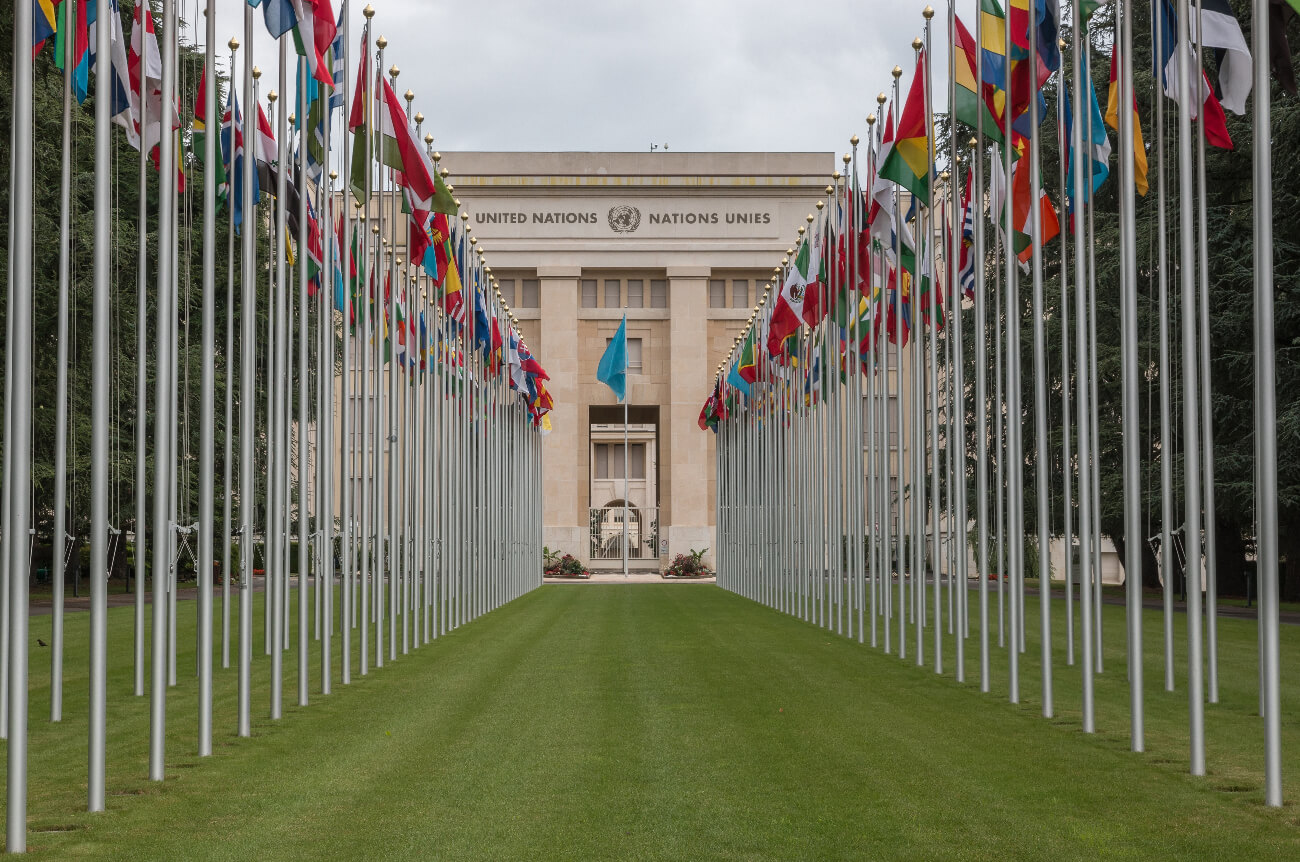
Jet d’ Eau Water Jet in Geneva Harbor
Cathedrale de Saint-Pierre
International Red Cross and Red Crescent Museum
Monument National
Palais des Nations
Museum of Natural History
Patek Philippe Museum
Jardin Botanique-Villa le Chene Botanical Gardens
Jardin Botanique Alpin de Meyrin Botanical Gardens
Old Town
Cathedral St. Peter
Temple de Sainte – Pierre
Jardin Anglais Botanical Gardens
Place du Bourg-de-four Old Town Square
Musée d’ Art et d’ Histoire
Ariana Museum Museum of ceramics and glass
Lake Geneva
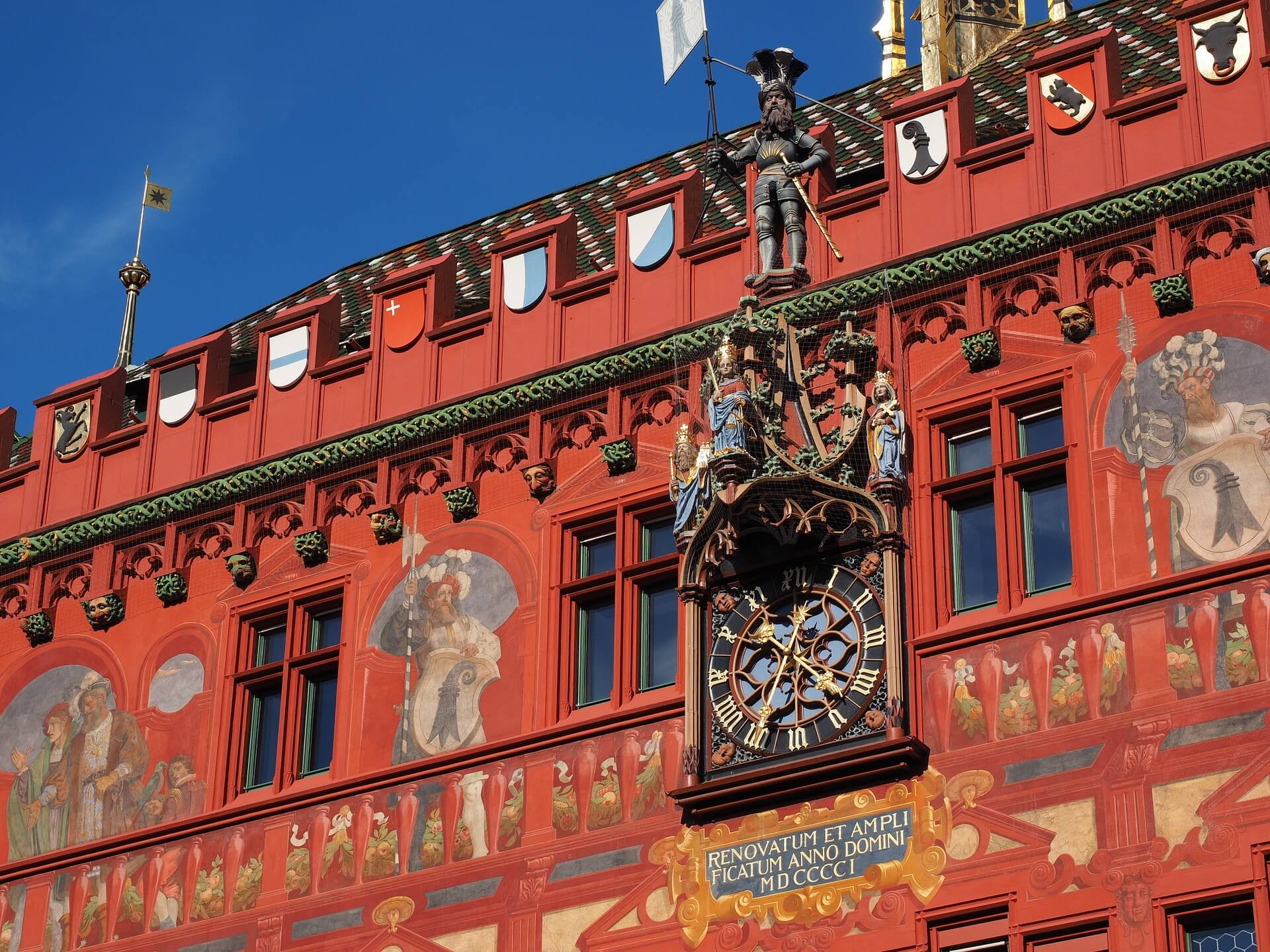
The City of Basel
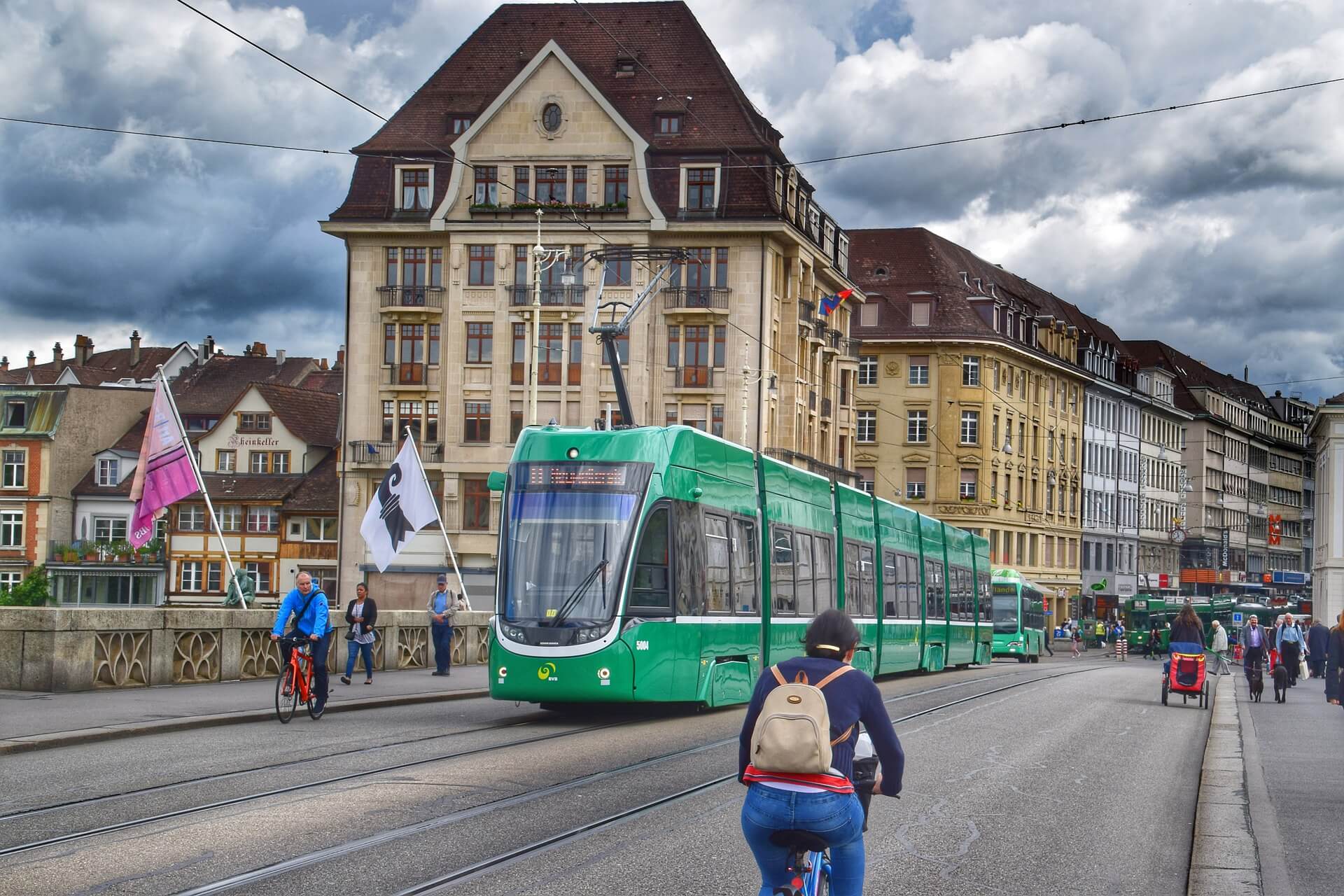
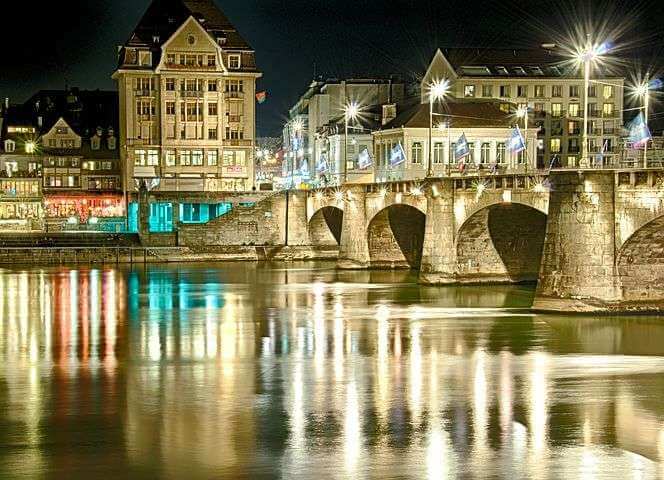
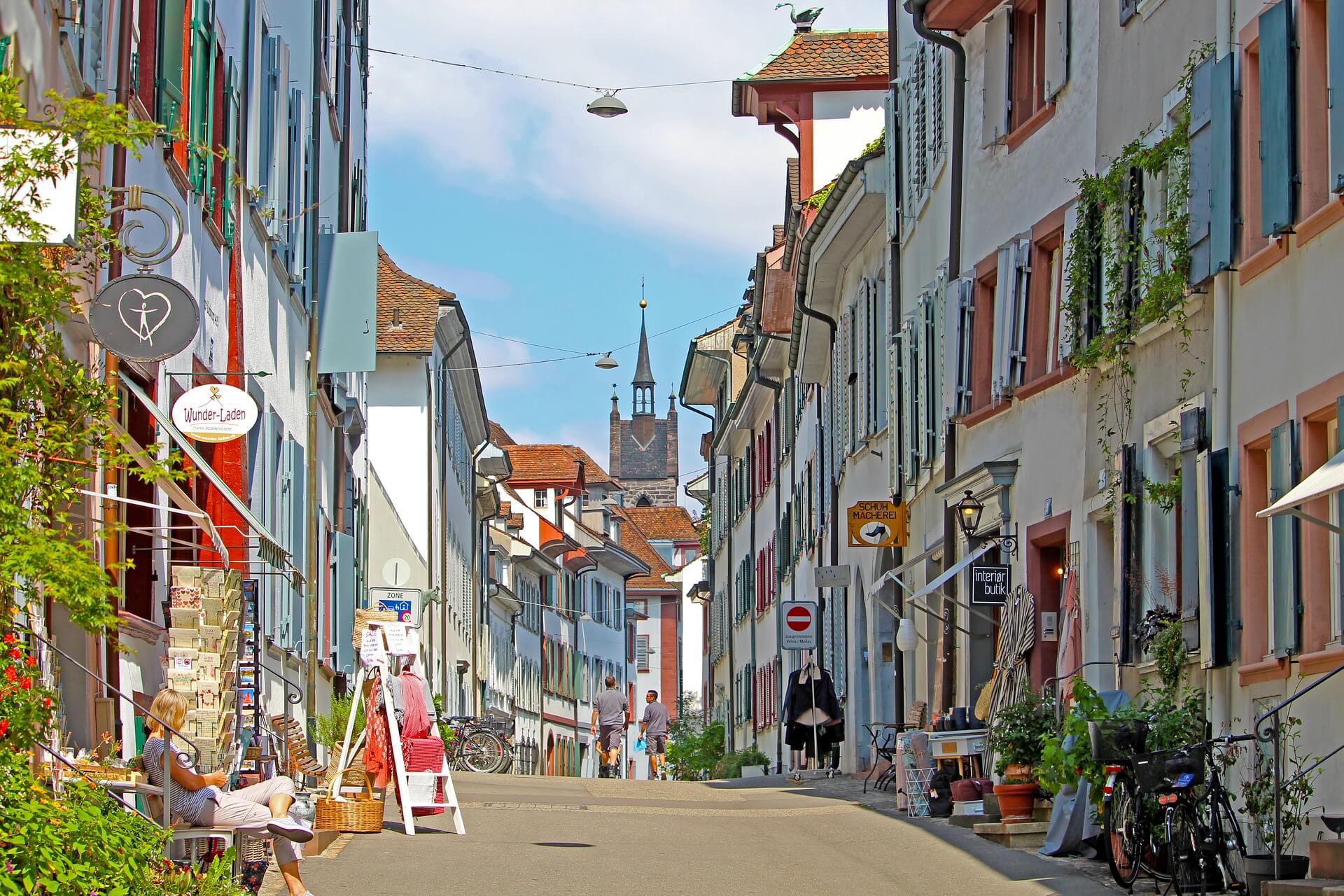 Basel is a city in northwestern Switzerland on the Rhine River. It is Switzerland’s third most populous city with 175,000 inhabitants. The official language of Basel is German but the main spoken language is the local Basel German dialect. Basel is famous for its many museums, ranging from the Kunstmuseum, which was the first collection of art open to the public in the world (1661) and the largest art museum in Switzerland, to the Museum of Contemporary Art (Basel) the first public museum of contemporary art open to the public in Europe. The University of Basel, Switzerland’s oldest university was founded in 1460 and the city’s centuries-long commitment to humanism have made Basel a safe haven in times of political trouble in other parts of Europe for people such as Erasmus, Nietzsche, and Jung. Basel was the seat of a Prince-Bishopric starting in the 11th century, and it joined the Swiss Confederacy in 1501. The city has been a commercial hub and an important cultural center since the Renaissance. In 1897, Basel was chosen by Theodor Hertzl as the location for the first World Zionist Congress.
Tourist Attractions
Kunstmuseum Fine Arts Museum Basel
Basel’s Old Town
Rathaus Town Hall Old Town
Basel Munster 1019-1500 built Cathedral
Rheinfahre
Basel Paper Mill Museum
Jean Tinguely Museum
Zoologischser One of 15 best zoos in the world
Historischen Museum Historical Museum
Spielzeug Welten Museum Toy Museum
Museum fur Gegenwartskunst Museum of Contemporary Art
Museum of Antiquities and the Ludwig Collection
Judische Museum Jewish Museum
The City of Bern
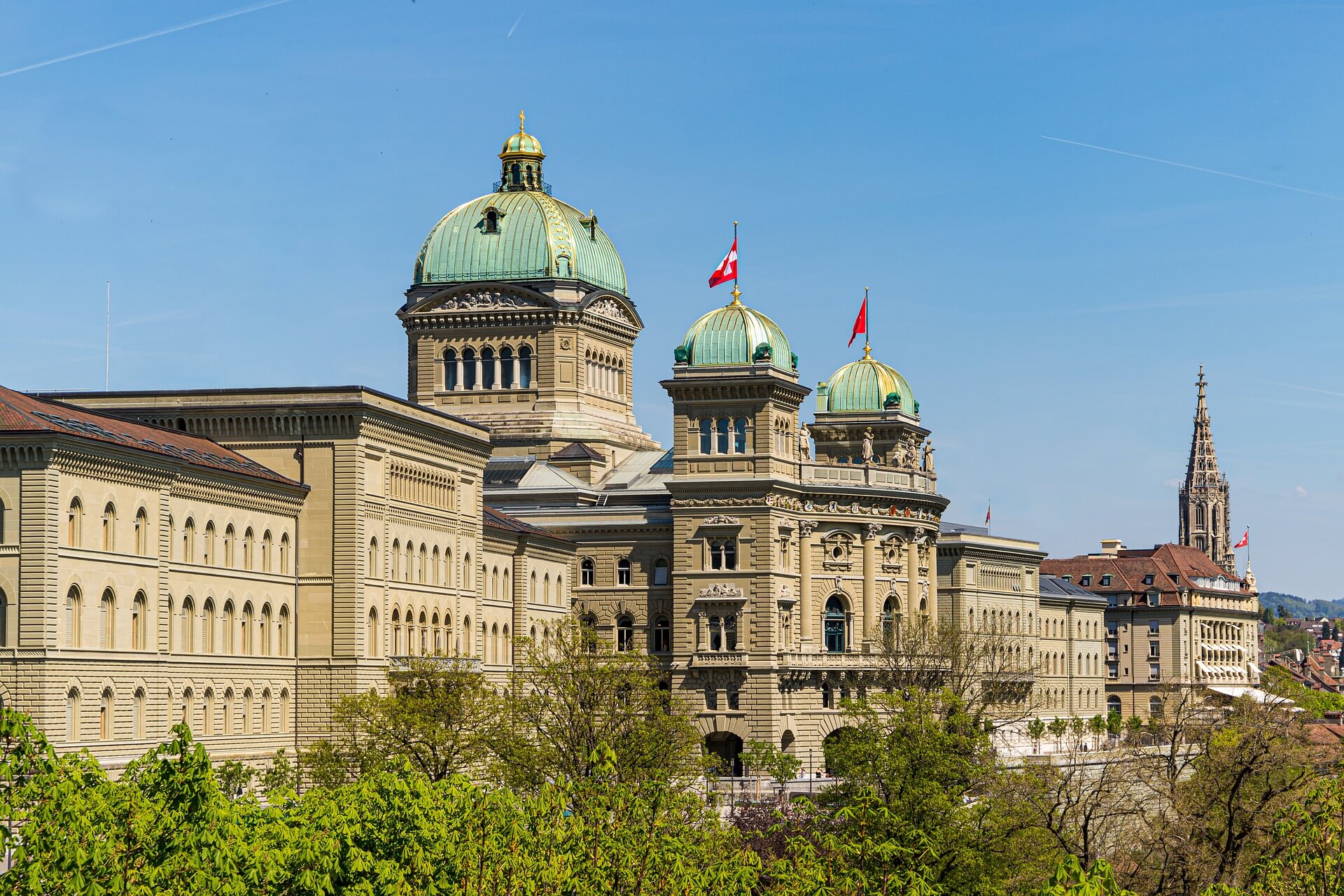
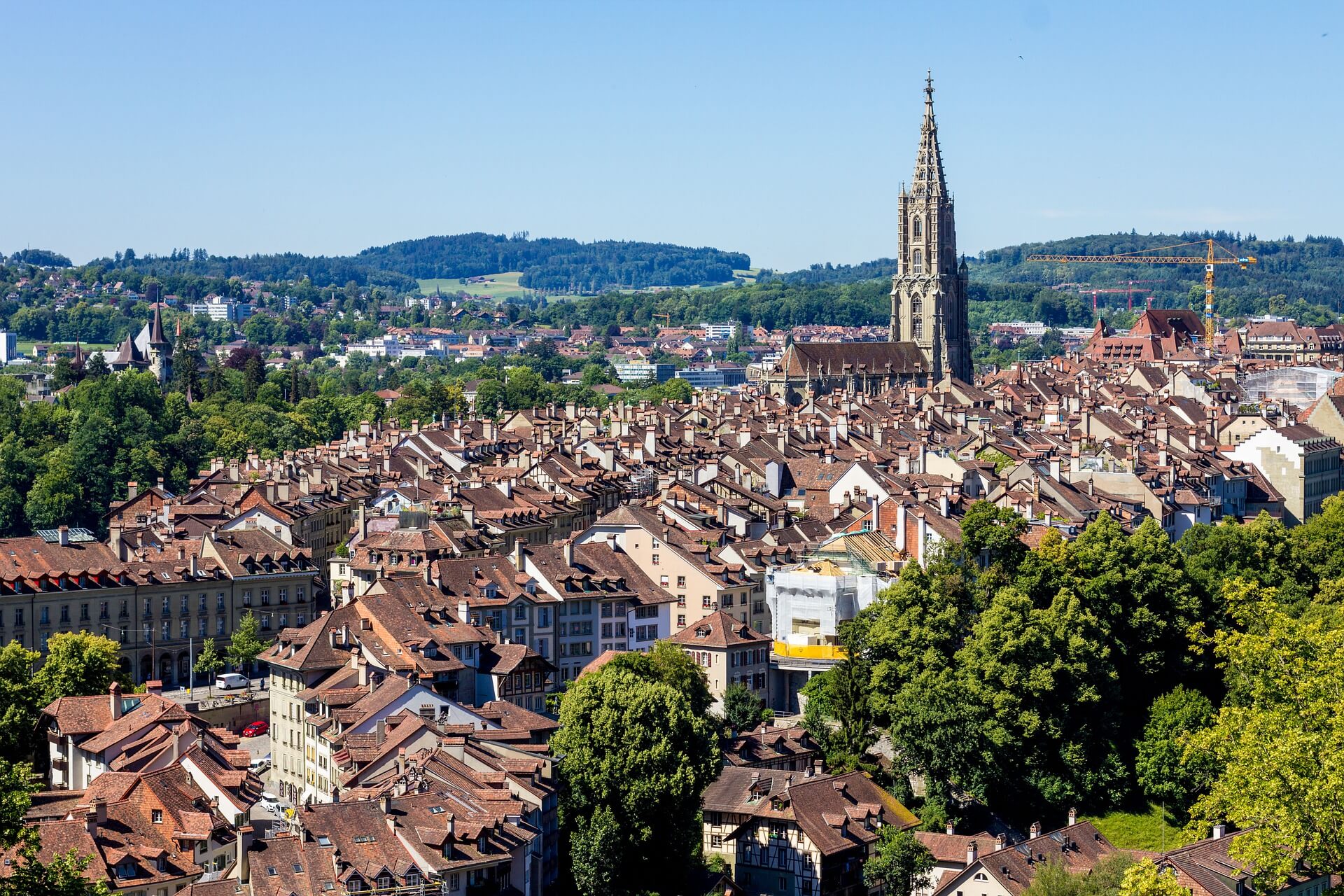
Bern is the de facto capital of Switzerland and it is referred to by the Swiss as their “federal city”. Bern has a population of 144,000. The official language is German, but the main spoken language is the local variety of the Alemannic Swiss German dialect. In 1983, the historic old town in the center of Bern was designated as a UNESCO World Heritage Site. The settlement on the site of the present city was founded in the 12th century, however in the area there were fortifications built by the Romans approximately 2000 years ago. In 1353, Bern joined the Swiss Confederacy.
Tourist Attractions
Old Town
Rosengarten Rose Garden
Gurten Hill observatory
Munster Kirche Cathedral at Munsterplatz
Zytglogge 13th century clock tower
Einstein Museum
Aare River
The Federal Palace
Bundesplatz Open square surrounded by Federal Palace
Baren Park
Zentrum Paul Klee
Bern Historical Museum
Bern Minster Cathedral with construction begun in 15th century
Other Swiss Tourist Attractions in the Country
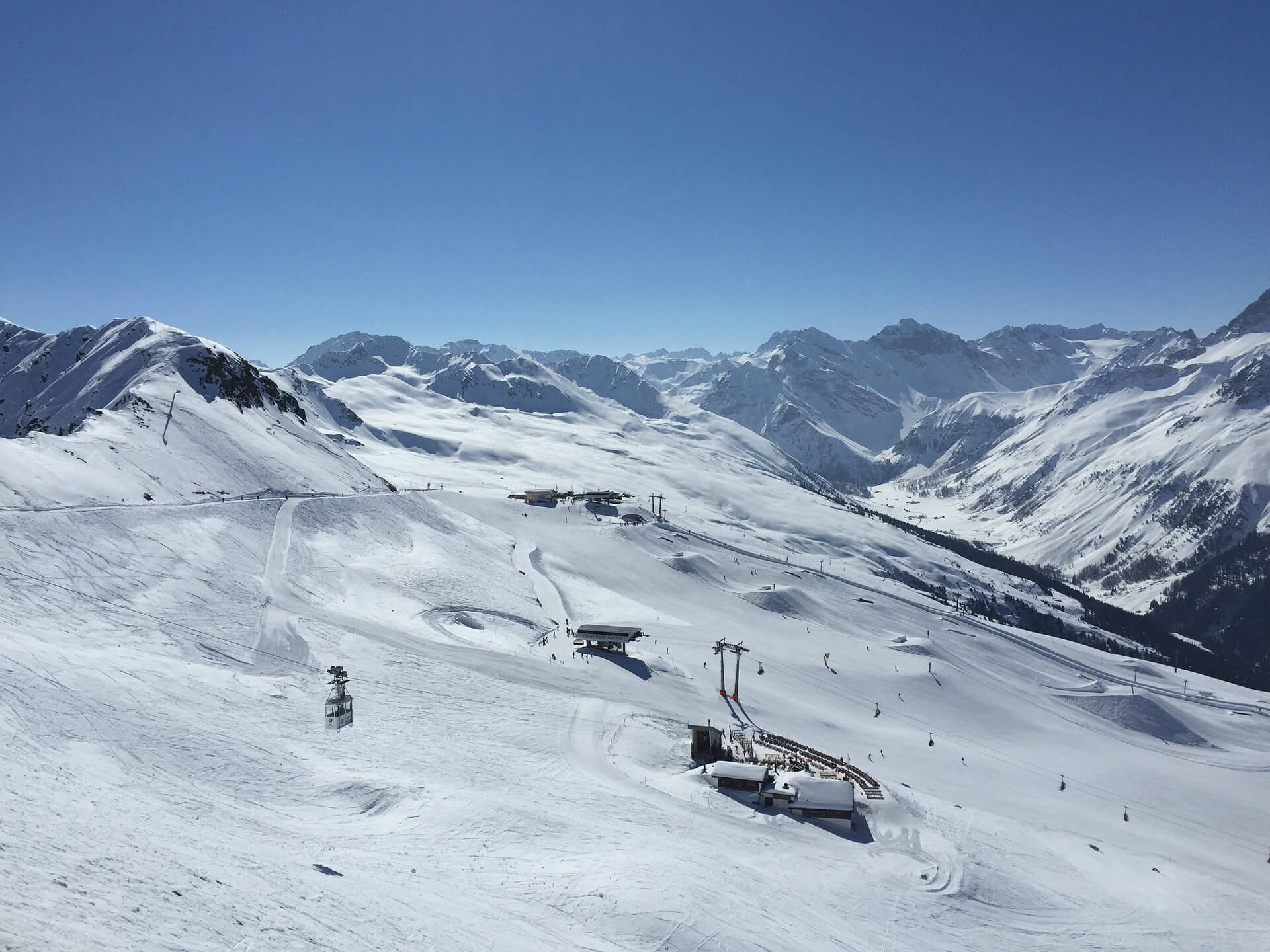
Skiing
Jungfraujoch The top of the mountain
Interlaken
St. Moritz
Lake Lugano
The Rhine Falls
Swiss National Park
Albula/Bernina Railway Designated a UNESCO World Heritage Site
Oberhofen Castle
Swiss Grand Canyon
The Matterhorn
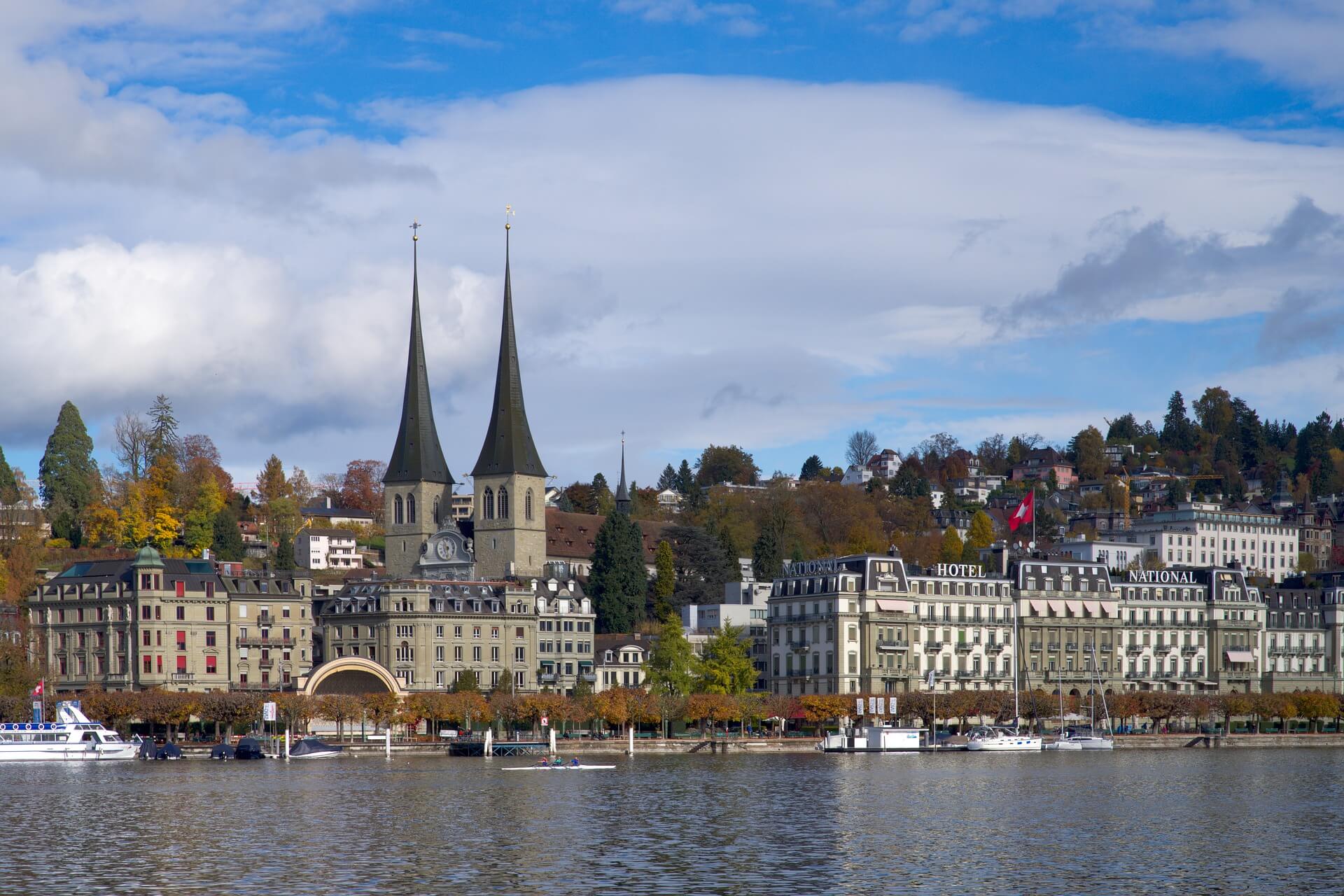
Lucerne
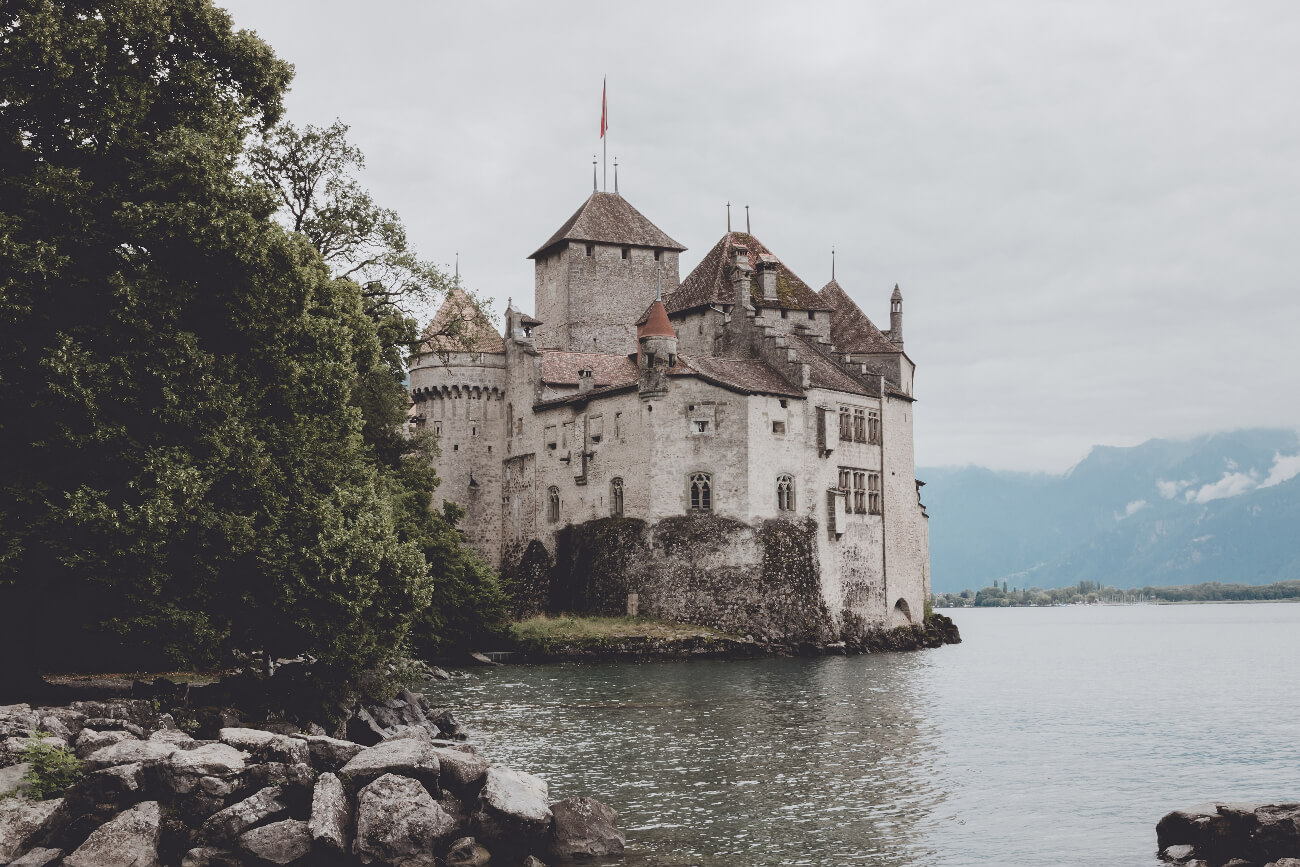
Château de Chillon Montreux
No Tour Found